
Print Never Died
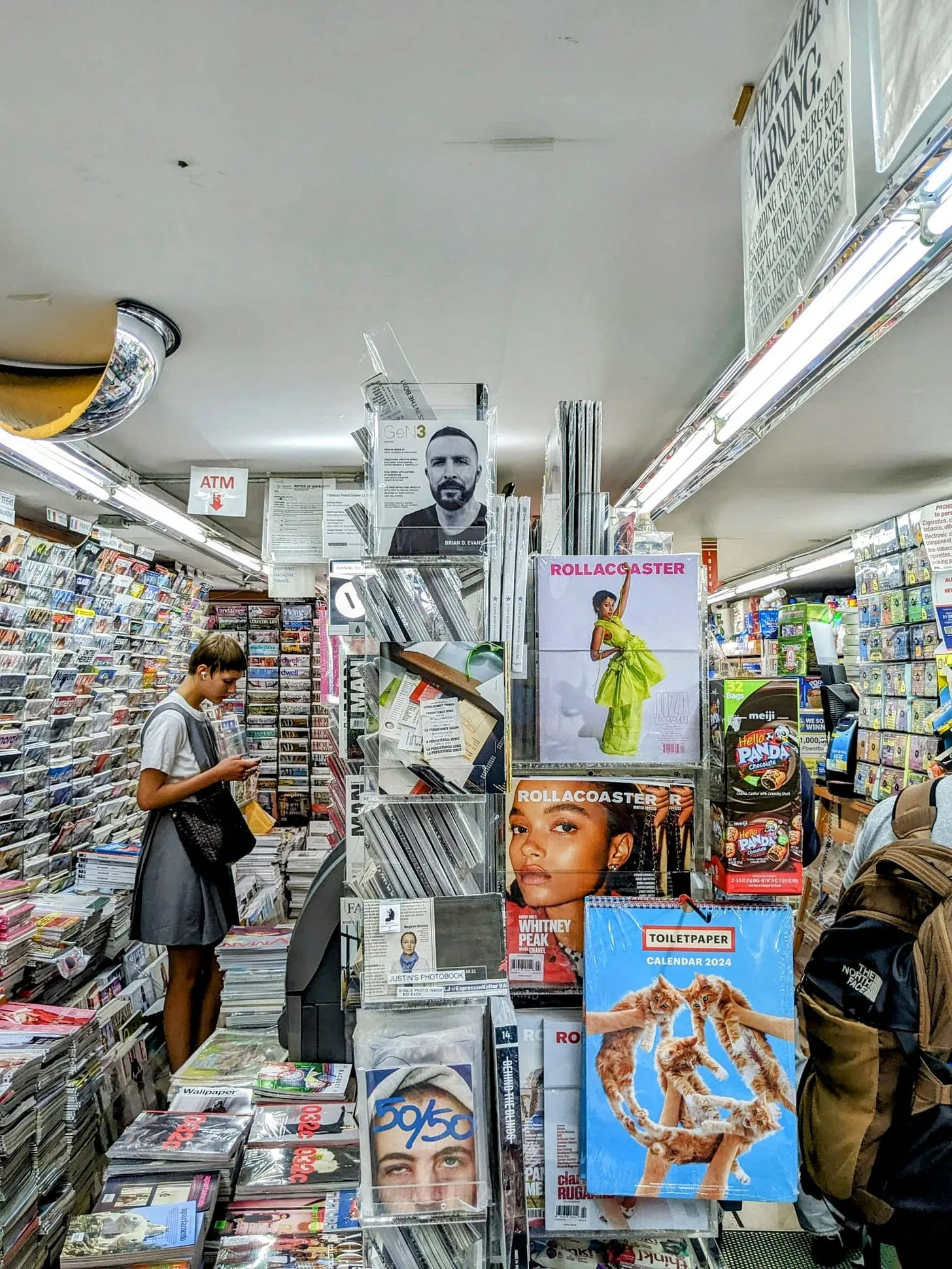
Static print images are becoming a portal to immersive experiences, giving brands, artists, and publishers new ways to engage their audiences. High-end publications in art, design, fashion and luxury are beginning to take advantage of image recognition technology, while photographers are finding new ways to extend their work beyond the printed page through AI animation and interactive content.
With a simple scan of a smartphone, and soon, likely AR glasses, an image can come to life without the cost and complexity of full video production. It’s a simple way to add another layer of storytelling.
I believe we’re entering the next evolution of print media. Billboards, magazines, art murals, galleries, events, brochures, catalogs, restaurant menus, and other printed materials can seamlessly connect the physical and digital worlds. These are just some of the possibilities.
Print never died because there is no replacing the physical world. People still value something they can hold, collect, and experience. While the metaverse never became what many expected, digital experiences continue to evolve in ways that complement, rather than replace, physical media.
One challenge for creators, marketers, and publishers is that XR technology is advancing so quickly that many hesitate to get started. The key is staying agile and being willing to adapt as the technology evolves.
"Immersive magazines will become a new category of collectible publishing."
I believe immersive magazines will become a new category of collectible publishing. Publications like Vogue, Wallpaper, Architectural Digest, and others have an opportunity to create special XR editions that unlock interactive experiences through a smartphone today and, eventually, AR glasses.
For publishers, immersive print creates entirely new opportunities, from art sales, virtual tours, and 3D product experiences to fashion exhibitions, e-commerce, live streaming, and content that can continue evolving long after the magazine has been printed.
Another major advantage is data. For the first time, publishers can measure engagement with physical media through analytics, including views, plays, time spent, and geographic activity. Imagine distributing 300 copies of a magazine at an event and being able to understand where those magazines traveled, how readers interacted with the content, and which experiences generated the most engagement.
As technology continues to evolve, the publishers and creators who embrace these new tools will have the opportunity to build deeper connections with their audiences while preserving everything that has always made print special. That’s the direction we’re building toward at GeN3.
Print is no longer just something you read. It’s increasingly something you experience.